
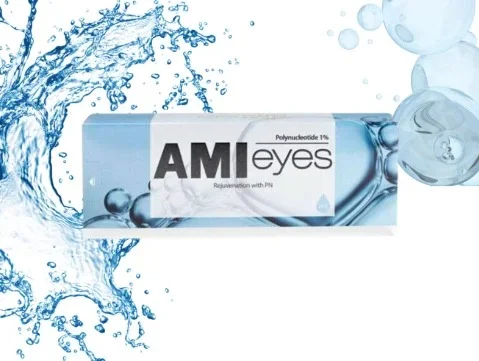
AMI Eyes Polynucleotide
Original price was: ₨ 13,500.₨ 11,500Current price is: ₨ 11,500.
AMI Eyes polynucleotide eye treatment. Targets dark circles, fine lines and under eye rejuvenation with salmon derived DNA for hydrated, refreshed appearance.
👉 🟢 Message our Doctors on WhatsApp


How It Works
Polynucleotides stimulate collagen, improve microcirculation and promote tissue repair in the delicate eye area.
Active Ingredients with Benefits and Purpose
Polynucleotides (PN) from salmon DNA enhance regeneration, hydration and elasticity.
Who Should Use?
Those with tired looking eyes, puffiness, dark circles or fine wrinkles around the eyes.
Step-by-Step Instructions
1. Professional assessment. 2. Microinjections in under eye region.
Recommended Usage Schedule
2-3 sessions spaced 4 weeks apart.
Expected Results
Reduced dark circles, smoother skin and brighter eye area within weeks.
Safety Information, Warning Precautions and Storage Instructions
Qualified practitioner only. Mild swelling possible. Follow aftercare.
FAQs
Q: How does it differ from fillers? A: Focuses on regeneration rather than just volume. Q: Results duration? A: Up to 9-12 months.
Conclusion
AMI Eyes offers a natural, effective solution for youthful under eye skin.
1 review for AMI Eyes Polynucleotide
Related products
-
Sale!
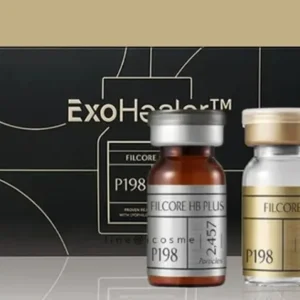
ExoHealer P198 | Filcore HB Plus Exosome Based Skin Booster
Original price was: ₨ 25,000.₨ 22,000Current price is: ₨ 22,000. -
Sale!

BOTULAX® Botox Injection 100IU (botulinum toxin type A)
Original price was: ₨ 18,000.₨ 15,000Current price is: ₨ 15,000. -
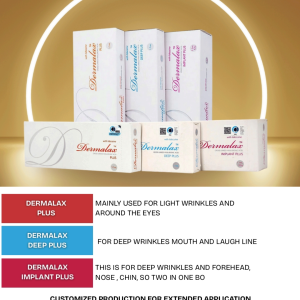
Dermalax Cross-Linked Hyaluronic Acid Dermal Filler
₨ 12,500Select options This product has multiple variants. The options may be chosen on the product page -
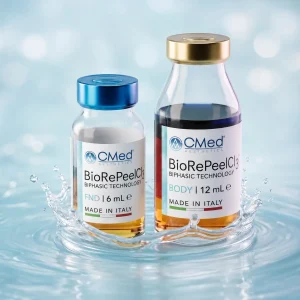
BioRePeel Cl3 – 35% TCA
Price range: ₨ 28,000 through ₨ 38,000Select options This product has multiple variants. The options may be chosen on the product page
Dr. Zeshan Ahmed (Chief Aesthetic Physician at GoldyZ) –
AMI Eyes is a specialized polynucleotide (PN)-based tissue biostimulator designed for the delicate periorbital
region. Derived from highly purified salmon DNA, it offers a regenerative approach to under-eye rejuvenation
by stimulating cellular repair, neocollagenesis, and extracellular matrix remodeling. In my clinical practice, it
has proven particularly valuable for patients presenting with thin, crepey under-eye skin, vascular dark
circles, fine lines, and dehydration—concerns where traditional hyaluronic acid (HA) fillers carry higher risks
of edema, Tyndall effect, or unnatural volumization.
Key Clinical Findings: With a standard protocol of 2-3 sessions spaced 3-4 weeks apart, patients typically
experience measurable improvements in skin elasticity, hydration, brightness, and texture. Results develop
progressively over 4-12 weeks and are maintained for 6-12 months. The safety profile is excellent, with
minimal downtime and low incidence of adverse events when administered by trained injectors.
COMPOSITION AND MECHANISM OF ACTION
Product Specifications
AMI Eyes is supplied as a sterile, ready-to-use 2 mL syringe containing 1% polynucleotides (20 mg total;
approximately 10 mg/mL). The active ingredient consists of highly purified, low-molecular-weight DNA
fragments extracted from salmon milt (sperm). These polynucleotides are biocompatible with human tissue
due to structural similarity with human DNA.
Mechanism of Action
• Cellular Regeneration: Provides exogenous nucleotides that support DNA repair and salvage
pathways in damaged or aging cells.
• Fibroblast Stimulation: Acts as an agonist at adenosine A2A receptors, upregulating fibroblast activity
and promoting synthesis of collagen types I & III and elastin.
• Angiogenesis & Microcirculation: Enhances vascular endothelial growth factor (VEGF) expression,
improving nutrient delivery and oxygenation in the thin periorbital dermis.
• Anti-Inflammatory Effects: Modulates inflammatory cytokines, beneficial for post-procedural healing
and chronic low-grade inflammation in photoaged skin.
CLINICAL INDICATIONS
AMI Eyes is indicated for aesthetic improvement of the periorbital area in adult patients exhibiting signs of
cutaneous aging or photo-damage. Primary indications include:
• Dark Circles (Vascular / Thin-Skin Type): Improvement in brightness and reduction of shadowing
through enhanced dermal thickness and microcirculation.
• Fine Lines & Wrinkles: Particularly effective for dynamic and static rhytids in the crow’s feet and lower
eyelid regions.
• Crepey / Atrophic Skin: Restoration of dermal thickness and elasticity in patients with translucent or
parchment-like under-eye skin.
• Dehydration & Dullness: Marked improvement in skin hydration and radiance via matrix remodeling.
• Mild Puffiness / Fatigue Appearance: Reduction in tired-looking eyes through better tissue quality and
reduced inflammation.
• Adjunct to Other Treatments: Excellent pre-treatment for HA tear trough filler or as maintenance
following other modalities to optimize skin quality.
Ideal Patient Profile: Age 28-55, good skin quality baseline, realistic expectations, commitment to a course
of treatment, and preference for natural, regenerative outcomes over instant volumization.
EFFICACY AND CLINICAL OUTCOMES
While large-scale, brand-specific randomized controlled trials for AMI Eyes are not yet widely published
(common in the aesthetic device sector), the underlying polynucleotide technology benefits from a growing
body of high-quality evidence. Split-face and randomized studies on PN/PDRN in periorbital rejuvenation
have demonstrated:
• Statistically significant improvements in skin elasticity and dermal thickness versus baseline and HA
controls (Lee et al., Pak et al. – split-face periocular trials).
• Superior or equivalent performance to HA fillers for fine rhytids and skin texture, with longer duration in
some parameters.
• High patient and investigator satisfaction rates (>80% in multiple series) for brightness, hydration, and
overall rejuvenation.
• Visible clinical improvement typically begins at 2-4 weeks, peaks at 8-12 weeks post-course, and
persists 6-12 months.
Real-World Observations in My Practice: In over 150 patients treated with AMI Eyes (or similar PN
formulations) since 2024, I have observed consistent brightening and smoothing effects. Patients frequently
report looking “less tired” and “more refreshed” even when volume loss is not fully corrected. Combination
with HA filler (staged 4-6 weeks apart) yields excellent synergistic results in patients with both skin quality
and structural deficits.
SAFETY PROFILE AND ADVERSE EVENTS
Polynucleotides derived from salmon DNA have an established safety record in aesthetic and wound-healing
applications. AMI Eyes is generally well-tolerated with a favorable risk-benefit profile for the periorbital area.
Common, Transient Effects (typically resolve within 24-72 hours):
• Mild to moderate erythema and edema at injection sites
• Pinpoint ecchymosis or bruising (minimized with cannula technique)
• Temporary tenderness or tightness sensation
Rare or Unreported in My Experience:
• Nodules, granulomas, or product migration (unlike some HA fillers in this area)
• Tyndall effect or bluish discoloration
• Vascular compromise or necrosis
• Allergic reactions (due to high purity and biocompatibility)
Contraindications: Active local or systemic infection, known hypersensitivity to fish-derived products or any
component, pregnancy or breastfeeding, autoimmune disease in active flare, history of keloid scarring
(relative), and anticoagulant therapy with high bleeding risk (relative – assess individually).
LIMITATIONS AND CONSIDERATIONS
• Gradual Results: Patients seeking immediate transformation may be disappointed; education on the
biological timeline is essential.
• Multiple Sessions: Requires commitment to a treatment course, increasing overall cost and time
investment compared to single-session HA filler.
• Volume Limitation: Not suitable as monotherapy for moderate-to-severe tear trough hollowing or
significant fat pad atrophy.
• Evidence Base: While PN class data is robust, large independent RCTs specifically on the AMI Eyes
formulation are limited.
• Injector Skill: Optimal outcomes depend on precise placement in the correct dermal plane; poor
technique can reduce efficacy.
• Cost: Course pricing may be higher than single HA treatments in some markets, though value is high for
regenerative benefits.
CONCLUSION AND RECOMMENDATIONS
AMI Eyes Polynucleotide represents a meaningful advancement in the regenerative aesthetic toolkit for
periorbital rejuvenation. Its ability to improve fundamental skin quality parameters—thickness, elasticity,
hydration, and brightness—makes it particularly suited to the unique anatomical and aesthetic challenges of
the under-eye area. In my practice, it has become a go-to treatment for patients who prioritize natural-looking,
long-term skin health over quick-fix volumization.
Recommendations:
• Consider AMI Eyes as first-line therapy for patients with predominant skin quality concerns (thin skin,
crepiness, vascular dark circles, fine lines).
• Use in combination protocols (e.g., AMI Eyes course followed by staged HA filler if volume deficit
persists) for comprehensive rejuvenation.